
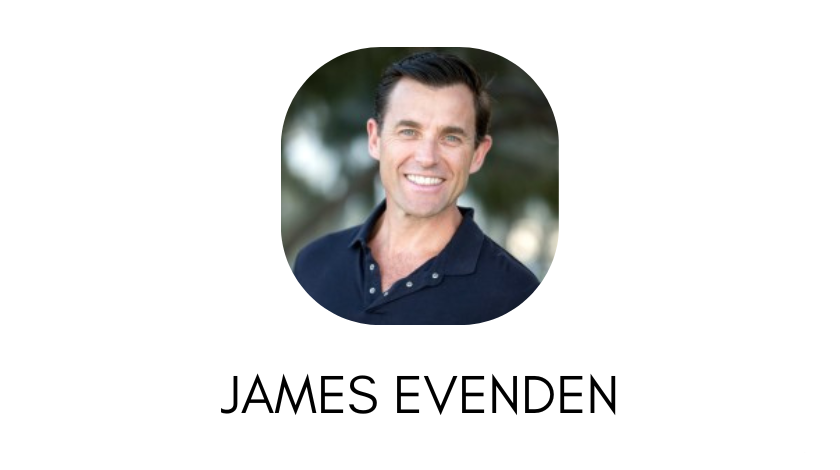
In the fast-moving world of modern business, it is easy to get lost in the sea of buzzwords. We hear about “digital transformation,” “synergy,” and “disruptive tech” so often that the words start to lose their meaning. However, every so often, you come across a name that is consistently tied to the actual, ground-level work of making these concepts a reality. James Evenden is one of those names. Whether you know him from his work in high-level recruitment, his involvement with the TMRW tech hub, or his broader consulting efforts, his career serves as a fascinating case study in how to navigate the modern economy without losing the “human touch.”
I have spent years observing how leaders interact with technology, and I’ve noticed a recurring pattern. Most people either fear technology or worship it. Very few people understand it for what it actually is: a tool that is only as good as the person holding it. This is where the story of James Evenden becomes particularly relevant. He has built a reputation not just by understanding the tech, but by understanding the people who build it. In this deep dive, we are going to look at his influence, the philosophy of modern recruitment, and why the “tech hub” model he helped pioneer is more important now than ever before.
The Human Side of the Recruitment Machine
When we talk about recruitment in 2024, the conversation usually shifts toward AI. Companies are using algorithms to scan resumes, looking for specific keywords like a robot hunting for a spare part. Honestly, I think this is where the industry started to go off the rails. If you look at the career trajectory of James Evenden, you see a different approach. He has often focused on the nuances that a machine simply cannot see. A machine can tell if a candidate has five years of experience in Python or Java, but it cannot tell if that candidate has the grit to survive a startup pivot or the empathy to lead a struggling team.
I remember talking to a business owner a few years ago who was frustrated because they kept hiring “perfect” candidates on paper who failed within six months. The problem wasn’t their skills; it was their “vibe” and their alignment with the company’s core soul. This is something that leaders like James Evenden seem to intuitively understand. Recruitment is actually a form of matchmaking. It is about finding a harmony between a person’s personal ambitions and a company’s long-term vision. When you move away from the transactional nature of hiring and toward a relationship-based model, the results change drastically. You get lower turnover, higher innovation, and a much happier office environment.
The TMRW Project and the Power of Community
You cannot talk about James Evenden without mentioning TMRW. For those who aren’t familiar, TMRW was a massive tech hub in Croydon that aimed to provide more than just a desk and a chair. It was designed to be an ecosystem. I’ve visited plenty of “co-working spaces” that felt like glorified libraries where everyone has their headphones on and no one speaks. TMRW was different because it was built on the premise that innovation happens in the “in-between” moments. It happens when a developer grabs a coffee and strikes up a conversation with a marketing specialist.
James’s role in this kind of environment highlights a crucial lesson for today’s leaders: environment dictates behavior. If you put talented people in a sterile, lonely box, they will produce sterile, lonely work. But if you create a hub that encourages collaboration, you start to see real growth. This project wasn’t just about real estate; it was about fostering a community. In an era where we are all increasingly isolated by our screens, the physical space where we work becomes a sanctuary for creativity. It takes a specific kind of leadership to manage that balance of providing professional infrastructure while maintaining a relaxed, “home-grown” feel.
Leadership in the Age of Digital Transformation
Digital transformation is a phrase that makes many employees cringe because it usually means “we are getting new software that you’ll have to learn in your spare time.” But through the lens of James Evenden’s professional experience, we can see a more empathetic way to handle change. True transformation isn’t about the software; it’s about the mindset. It is about helping a workforce understand that technology is there to remove the “grunt work” so they can focus on the high-level creative tasks that they actually enjoy.
I’ve always believed that the best leaders are those who act as “translators.” They translate the complex goals of the board of directors into the practical, day-to-day language of the staff. Based on the public insights and the professional path James has taken, it is clear he values this transparency. Whether he is consulting for a startup or helping a major firm restructure its talent pipeline, the focus remains on clarity. People want to know where they stand and where the ship is heading. If you can provide that clarity, you have already won half the battle of leadership.
Why EEAT Matters in Personal Branding
In the world of SEO and content, we talk a lot about EEAT: Experience, Expertise, Authoritativeness, and Trustworthiness. While Google uses this to rank websites, I think it is a perfect framework for evaluating a professional career like James Evenden’s.
First, let’s look at Experience. You don’t get to lead major tech hubs or consult for high-growth companies by reading a book. You get there by being in the room when things go wrong and figuring out how to fix them. Expertise is the specialized knowledge he brings to the recruitment and tech sectors. Authoritativeness is the fact that his name is synonymous with the Croydon tech scene and broader talent management. And finally, Trustworthiness is the “secret sauce.” In recruitment, your reputation is your currency. If you don’t treat people well, or if you over-promise and under-deliver, the industry will eventually spit you out. The longevity of James’s presence in these circles speaks volumes about his integrity.
The Future of Work: A Nuanced Perspective
We are currently living through a very strange time in the professional world. We have the “Return to Office” mandates clashing with the “Work from Anywhere” movement. I think the truth lies somewhere in the middle, and this is likely something a strategist like James Evenden would agree with. While we don’t need to be in an office five days a week to be productive, we do need physical connection to build culture. You cannot build a deep sense of loyalty through a Zoom screen.
The future of work is going to be about “intentionality.” We won’t go to an office because we have to; we will go because there is a specific reason to collaborate in person. Leaders will need to be much more flexible, offering hybrid models that respect an individual’s life while still pushing for the team’s collective success. This requires a high degree of trust. You have to trust that your employees are working even when you can’t see them. James’s work in the tech sector, which has always been a pioneer in flexible working, offers a roadmap for more traditional industries to follow.
Practical Lessons for the Next Generation
If you are a young entrepreneur or a mid-level manager looking to emulate the success seen in James Evenden’s career, there are a few things you should take away. First, stop looking at your network as a list of contacts and start looking at it as a garden. You have to water it, tend to it, and sometimes you just have to let it grow without expecting an immediate harvest. James has built his career on the strength of his professional relationships, and that doesn’t happen overnight.
Second, don’t be afraid to be a generalist in a world of specialists. While he is an expert in recruitment, his understanding of real estate, tech ecosystems, and business strategy allows him to see the “big picture” that others miss. Being able to connect the dots between different industries is what makes a consultant truly valuable. Finally, keep your ego in check. The most successful people I know are those who are willing to listen more than they speak. They realize that they don’t have all the answers, but they know exactly who to ask to find them.
Conclusion: The Lasting Impact
In conclusion, James Evenden represents a modern breed of professional who understands that the digital and the physical worlds are not separate entities; they are two sides of the same coin. Through his work in recruitment and tech hub development, he has shown that you can be successful in business while still prioritizing community and human connection. As we move further into a decade that will likely be defined by AI and automation, we need more leaders who remind us that at the end of every email, every line of code, and every recruitment software, there is a human being looking for a purpose.
His journey reminds us that “success” isn’t just about a title on a LinkedIn profile. It is about the impact you have on the local economy, the people you help find their dream jobs, and the spaces you create for others to thrive. Whether you are looking to hire a new team, build a startup, or simply understand the current state of the tech world, there is a lot to be learned from the path James has walked.
FAQ (Frequently Asked Questions)
1. Who is James Evenden?
James Evenden is a well-known figure in the recruitment, business consulting, and tech ecosystem sectors, most notably recognized for his leadership roles in London-based tech hubs like TMRW.
2. What is TMRW Croydon?
TMRW was a prominent tech hub and co-working space in Croydon designed to foster growth for startups and tech companies through community, events, and a collaborative environment.
3. What is James Evenden’s approach to recruitment?
He focuses on a human-centric approach, prioritizing cultural fit and long-term potential over simple keyword matching on a resume.
4. How does he view the future of work?
Based on his career moves, he appears to support a balanced, intentional model that combines the flexibility of modern technology with the essential need for physical community and collaboration.
5. Why is James Evenden considered an authority in his field?
His authority stems from years of hands-on experience in building professional communities and managing talent for high-growth sectors, embodying the principles of EEAT (Expertise, Experience, Authoritativeness, and Trustworthiness).