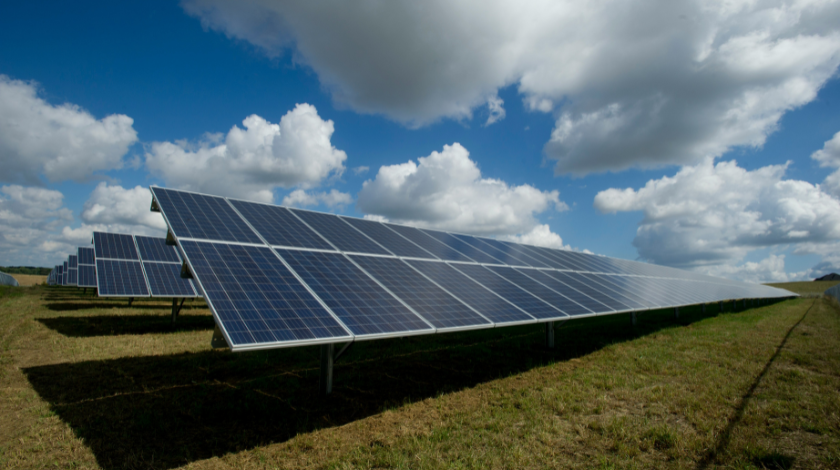
Let me be honest with you. When I first heard the term “HMS Photovoltaik” a couple of years ago, I thought it was just another buzzword thrown around by solar salespeople trying to sound technical. I was wrong, and I am glad I took the time to understand what this technology actually means for everyday people like us who are simply trying to reduce our energy bills while doing something positive for the environment.
HMS Photovoltaik refers to photovoltaic systems that incorporate what is called a Hybrid Management System. In plain English, this means your solar panels are not just sitting on your roof collecting sunlight and hoping for the best. Instead, they are part of an intelligent network that monitors, optimizes, and manages every single watt of energy your system produces. The “HMS” part specifically connects to advanced microinverter technology, particularly the systems developed by companies like Hoymiles, which have become increasingly popular in the German and European markets
.
What makes this different from the solar setup your neighbor might have installed five years ago? Traditional solar systems use something called string inverters. Imagine all your solar panels connected in a line like Christmas lights. If one panel gets shaded by a tree branch or gets dirty, the entire string suffers. Your whole system produces less energy because of that one underperforming panel. It is frustrating, inefficient, and honestly, it is why many early solar adopters felt disappointed with their systems.
HMS Photovoltaik changes this completely. Each panel gets its own microinverter, which means each panel operates independently. If one panel is having a bad day because of shade or debris, the others keep working at full capacity. This module-level optimization is the game-changer that makes modern solar actually worth the investment
.
How HMS Photovoltaik Technology Actually Works (No Engineering Degree Required)
I remember sitting in a consultation with a solar installer who started throwing around terms like “maximum power point tracking” and “DC voltage optimization.” My eyes glazed over. So let me explain this in the way I wish someone had explained it to me back then.
Your solar panels produce direct current electricity, or DC. Your house runs on alternating current, or AC. Something needs to convert that DC into AC so you can actually use the power to run your refrigerator, charge your phone, or keep the lights on. That is where inverters come in.
In a traditional setup, all the DC power from multiple panels flows into one big central inverter. This inverter does the conversion, but it treats all the panels as one unit. If one panel is underperforming, the inverter adjusts everything down to that lowest common denominator. It is like being in a group project where one person slacks off and everyone gets a lower grade.
With HMS Photovoltaik systems, each panel has its own tiny inverter attached to it, called a microinverter. These microinverters, like the Hoymiles HMS series, convert the power right at the panel level. Each one tracks the optimal power point for its specific panel individually. This is what engineers call module-level Maximum Power Point Tracking, or MPPT
.
The result? Your system produces significantly more energy over the course of a day. I have seen estimates suggesting up to 30% more energy yield compared to traditional string inverter systems, especially in real-world conditions where shade, dust, and different roof angles affect performance
.
But the technology goes beyond just conversion. The “management system” part means these microinverters are connected to a smart monitoring platform. You can see exactly what each panel is producing from your smartphone. If something is wrong, you know immediately which specific panel needs attention. This level of visibility was unheard of in residential solar just a decade ago.
Another safety aspect worth mentioning: traditional string inverters operate at much higher DC voltages across your entire roof, sometimes up to 400 or 600 volts. That is dangerous for installers and firefighters if there is ever an emergency. HMS microinverters keep the DC voltage low at the panel level, around 60 volts, which significantly reduces safety risks
.
The Real Benefits: Why I Believe This Changes Everything
After researching solar technology extensively and talking to dozens of homeowners who have made the switch, I have formed some strong opinions about why HMS Photovoltaik represents a genuine leap forward rather than just incremental improvement.
First, let us talk about reliability. When you have a central string inverter, it is a single point of failure. If that box fails, your entire solar system stops working until it gets repaired or replaced. I spoke with a homeowner in Spain who managed a 2-megawatt solar installation. After switching to HMS microinverters and cloud-based monitoring, they reduced system outages by 62% in the first year alone
. That is not a minor improvement; that is transformational for anyone depending on solar energy for their operations.
The second major benefit is scalability. This is something that does not get discussed enough. With traditional systems, expanding your solar array often meant replacing your inverter with a larger one, rewiring significant portions of your setup, and dealing with complex compatibility issues. HMS Photovoltaik systems are modular by design. You can start with two panels on your balcony, add two more next year when you have saved up more money, and keep expanding without ripping out and replacing your existing equipment
.
This modularity makes solar accessible to people who cannot afford a full roof installation upfront. I have seen young couples in urban apartments start with small balcony systems using HMS technology and gradually build their energy independence over time. That democratization of solar access is genuinely exciting to me.
The third benefit is the monitoring and optimization capabilities. I am the kind of person who checks my energy usage app way too often, but this obsession has saved me money. With HMS systems, you get panel-level data. You can see that your east-facing panels are producing great in the morning but your west-facing panels are underperforming because of that tree you have been meaning to trim. This granularity lets you optimize your system in ways that were impossible before.
Energy independence is the fourth major advantage, particularly when you integrate battery storage. A homeowner in Bavaria reported achieving 91% energy self-sufficiency after integrating their HMS Photovoltaik system with battery storage technology
. Imagine nearly eliminating your electricity bill and being insulated from grid outages. That level of independence is becoming increasingly valuable as energy prices fluctuate and climate-related grid disruptions become more common.
Finally, the environmental impact cannot be overstated. A typical 100-kilowatt HMS system can reduce annual carbon dioxide emissions equivalent to planting 2,500 trees
. When you combine that environmental benefit with the economic advantages, the case becomes compelling for anyone who cares about both their wallet and the planet.
Residential Applications: Powering Your Home the Smart Way
When most people think about residential solar, they picture massive arrays covering entire rooftops. But HMS Photovoltaik technology is particularly well-suited for the diverse realities of modern housing.
For single-family homes with traditional pitched roofs, HMS systems offer the obvious advantages of panel-level optimization. If your roof has multiple angles or faces different directions, microinverters ensure each section performs optimally. I have seen installations where south-facing panels work alongside east and west panels, all contributing their maximum possible energy without dragging each other down.
But where HMS Photovoltaik really shines is in urban environments and smaller spaces. Balcony solar systems have exploded in popularity across Germany and other European countries, and HMS microinverters are the technology making this possible
. These compact, plug-and-play systems allow apartment dwellers to generate their own electricity even without roof access.
The Hoymiles HMS series specifically includes models like the HMS-350-1T and HMS-400-1T that are perfect for these small-scale installations
. Each microinverter connects to a single panel, making the system incredibly flexible. You can start with one panel on your balcony railing, add another next month, and build your system gradually.
I recently spoke with a retiree living in a small apartment in Berlin who installed a two-panel balcony system with HMS technology. She told me that while it does not power her entire home, it covers her refrigerator and lighting costs completely. For someone on a fixed income, that monthly savings matters enormously.
For homeowners with battery storage systems, HMS Photovoltaik integration is seamless. The smart management system can prioritize charging your batteries when electricity rates are low or when solar production peaks, then discharge them during expensive evening hours. This load-shifting capability maximizes your financial return while providing backup power during outages.
The user-friendly nature of these systems also deserves mention. The monitoring apps that accompany HMS installations are designed for regular people, not engineers. You can see your daily production, your cumulative savings, and any maintenance alerts in plain language. This accessibility removes the intimidation factor that kept many people away from solar in the past.
Commercial and Industrial Use Cases
While residential applications get a lot of attention, I am equally impressed by how HMS Photovoltaik technology performs at commercial scale. Businesses have different priorities than homeowners. They care about operational continuity, detailed energy accounting, and maximizing return on investment over shorter timeframes.
An industrial park in Poland implemented HMS systems to monitor energy flows between multiple manufacturing facilities. The result was a 22% reduction in monthly grid consumption through dynamic load management
. When you are talking about industrial electricity usage, a 22% reduction translates to massive cost savings and a significantly reduced carbon footprint.
For commercial property managers with multiple buildings, the centralized monitoring capabilities of HMS Photovoltaik are invaluable. You can compare performance across different locations, identify underperforming assets, and schedule maintenance proactively rather than reactively. One facilities manager told me that the predictive maintenance alerts alone have saved his company thousands in emergency repair costs.
Retail businesses with large flat roofs are obvious candidates, but I have also seen HMS systems work well for agricultural operations. Farms often have fluctuating energy demands based on seasons, and they may have limited grid access in remote areas. The modular nature of HMS Photovoltaik allows farmers to build systems that scale with their operations and provide decentralized power exactly where needed
.
Office buildings benefit from the aesthetic and safety advantages as well. With lower DC voltages and rapid shutdown capabilities, HMS systems meet stringent commercial safety standards including UL guidelines
. This compliance makes permitting and insurance considerations much smoother than with older solar technologies.
Installation Process: What to Actually Expect
If you are considering HMS Photovoltaik for your property, you probably want to know what the installation process actually involves. Having observed several installations and spoken with both professional installers and DIY enthusiasts, I can give you a realistic picture.
The first step is always assessment. A professional needs to evaluate your roof condition, electrical panel capacity, shading patterns, and energy usage history. This is not just sales talk; it is essential for designing a system that actually meets your needs. For small balcony systems, this assessment is much simpler, often just requiring photos and basic measurements.
For residential roof installations, the physical installation typically takes one to three days depending on system size. The panels are mounted using rail systems attached to your roof structure. Then the HMS microinverters are connected to each panel. The wiring is significantly simpler than traditional systems because you are not running high-voltage DC cables across your roof. Instead, each microinverter outputs standard AC power that feeds into your home’s electrical system
.
The commissioning process involves configuring the monitoring system, which is usually done through a web interface or mobile app. You will create an account, scan QR codes on your microinverters to register them, and verify that everything is communicating properly. This setup is straightforward enough that many homeowners do it themselves, though professional installers typically handle it as part of their service.
For balcony systems, installation can be even simpler. Many HMS-compatible balcony setups are designed for plug-and-play installation. You mount the panel, connect the microinverter, and plug into a standard outlet. Obviously, you should follow all local electrical codes and safety guidelines, but the technical complexity is minimal
.
Maintenance is where HMS Photovoltaik really proves its value long-term. The monitoring system will alert you to any performance issues. Cleaning panels two or three times per year keeps them operating efficiently. The microinverters themselves are built to last, with warranties often extending to 25 years
. Their aluminum casing and internal potting provide IP67 protection ratings, meaning they can withstand extreme weather conditions including heavy rain and dust.
Cost Analysis and Return on Investment
Let us talk money, because that is what ultimately drives most solar decisions. HMS Photovoltaik systems do cost more upfront than basic string inverter setups. The microinverters add cost per panel compared to a single central inverter. However, the total cost of ownership story is very different.
First, consider the increased energy production. If you are getting 20-30% more energy from the same number of panels, that directly translates to faster payback on your investment. Over a 25-year system lifespan, that additional production adds up to thousands of dollars in additional savings or income from feed-in tariffs.
Second, consider reliability and maintenance costs. When a string inverter fails, you are looking at a significant replacement cost, often thousands of dollars, plus the lost production during downtime. With HMS systems, if one microinverter fails, the rest of your system keeps working, and replacing a single microinverter is relatively inexpensive. The predictive maintenance features also help prevent failures before they happen
.
Government incentives can significantly offset upfront costs. In Germany, the Renewable Energy Act (EEG) provides feed-in tariffs for solar power that improve project economics. Various tax benefits exist for both homeowners and businesses investing in solar systems
. These incentives apply regardless of whether you choose HMS or traditional technology, but the higher efficiency of HMS systems means you benefit more from the same incentive structure.
Financing options have also improved dramatically. Many installers now offer lease or power purchase agreement options where you pay nothing upfront and simply buy the power generated at rates below utility prices. For those purchasing systems outright, payback periods typically range from 7 to 12 years depending on local electricity rates and solar resource availability
.
When you factor in rising electricity prices, which have been the trend across Europe and much of the world, the economic case for HMS Photovoltaik becomes even stronger. You are essentially locking in your energy costs for decades while your neighbors face unpredictable rate hikes.
The Future of HMS Photovoltaik Technology
I am genuinely optimistic about where this technology is heading. The current generation of HMS systems is impressive, but the innovation pipeline suggests even more exciting developments ahead.
Research into next-generation solar panel materials like perovskite promises higher efficiency and potentially lower costs. When these advanced panels are combined with intelligent HMS management systems, we could see residential systems producing significantly more power from the same roof space
.
Artificial intelligence integration is another frontier. Future HMS systems will likely use machine learning to predict energy production based on weather forecasts, automatically optimize battery charging cycles, and even participate in virtual power plants where aggregated residential systems help stabilize the grid.
Blockchain-based energy trading is already being piloted in some regions. Imagine selling your excess solar power directly to your neighbor rather than back to the grid at wholesale rates. HMS systems with their detailed monitoring capabilities are perfectly positioned to enable these peer-to-peer energy markets.
For maritime and mobile applications, I expect to see expanded use of HMS Photovoltaik. Ships and boats have limited space for solar but high energy needs. The efficiency and reliability of microinverter-based systems make them ideal for these challenging environments.
The integration with electric vehicle charging is another growth area. As more homes add EVs, managing when to charge from solar versus grid power becomes crucial. HMS systems can optimize this automatically, ensuring you are driving on sunshine whenever possible.
Urban planning is also beginning to incorporate solar as standard. New buildings in many jurisdictions are required to include renewable energy systems. HMS Photovoltaik’s flexibility makes it ideal for these mandates, accommodating various architectural designs and orientations.
Conclusion
HMS Photovoltaik represents a genuine evolution in solar technology that addresses the real-world frustrations many early solar adopters experienced. By moving intelligence to the panel level through microinverters, these systems maximize energy production, improve reliability, and provide unprecedented visibility into your energy generation.
Whether you are a homeowner looking to reduce electricity bills, a business seeking operational cost savings, or an apartment dweller wanting to participate in the renewable energy transition, HMS technology offers solutions that fit your specific situation. The modular, scalable nature means you can start small and grow your system over time.
The combination of increased efficiency, enhanced safety, smart monitoring, and long-term reliability makes HMS Photovoltaik a compelling choice for anyone considering solar energy today. As electricity prices continue rising and climate concerns grow more urgent, investing in intelligent solar systems is not just financially prudent—it is a meaningful contribution to a sustainable future.
Frequently Asked Questions (FAQ)
Q: What makes HMS Photovoltaik different from traditional solar systems? A: HMS systems use microinverters at each panel rather than one central string inverter. This means each panel operates independently, maximizing overall system efficiency even when some panels are shaded or dirty. You also get panel-level monitoring and enhanced safety from lower DC voltages.
Q: Can I install HMS Photovoltaik on a small balcony? A: Absolutely. The modular design of HMS systems, particularly microinverters like the Hoymiles HMS series, makes them perfect for balcony installations. You can start with just one or two panels and expand later.
Q: How much maintenance do these systems require? A: Very little. Clean the panels a few times per year and check the monitoring app periodically. The microinverters have 25-year warranties and are built to withstand extreme weather. The system will alert you if any component needs attention.
Q: Is HMS Photovoltaik worth the higher upfront cost? A: In most cases, yes. The increased energy production, longer equipment lifespan, and reduced maintenance typically result in better long-term returns compared to cheaper traditional systems.
Q: Can I add battery storage to an HMS system later? A: Yes, most HMS Photovoltaik setups are designed to integrate with battery storage systems. You can start with solar-only and add batteries when your budget allows.