
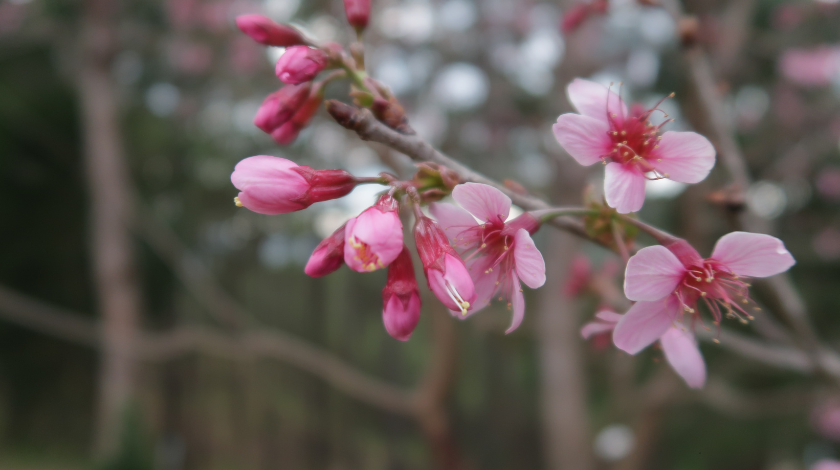
There is a very specific feeling that hits you when you walk outside in late March or early April. You have spent months dealing with gray skies, cold winds, and bare branches that look like skeletons against the horizon. Then, almost overnight, the world changes. You look up, and suddenly those dead-looking branches are covered in a soft, pink mist. It is the season of CherrySakura. For millions of people around the world, this is not just a biological event where a tree decides to flower. It is an emotional reset button. It signals that the warmth is coming back, that life is starting over, and that we have survived another winter. I remember the first time I truly stopped to look at a cherry blossom tree in full bloom. I was rushing to work, stressed about a deadline, and I turned a corner to find a massive tree dropping petals like pink snow. It stopped me in my tracks. For a minute, I forgot about my emails and just breathed in the scene. That is the power of this flower.
When we talk about “CherrySakura,” we are often blending two worlds. We have the English understanding of the cherry tree, which is often associated with the fruit, and the Japanese concept of “Sakura,” which is purely about the ornamental flower and the culture surrounding it. This intersection is fascinating because it captures the human heart more than perhaps any other plant on earth. You don’t see people throwing parties under oak trees or traveling thousands of miles just to see a pine tree. But for the cherry blossom, people will cross oceans. There is a magnetic pull to these delicate pink and white petals that speaks to something deep inside of us. It is a universal language of beauty that doesn’t need any translation. In this guide, I want to take you deep into this world, not just as a tourist looking at a picture, but as someone who understands the soul, the history, and the joy of the season.
The Soul of the Flower: Meaning and Symbolism
To truly understand why the Japanese people, and now the rest of the world, are so obsessed with these flowers, you have to learn a Japanese phrase called “Mono no aware.” It might sound complicated, but the meaning is actually very simple and beautiful. It translates roughly to “the pathos of things” or a bittersweet sensitivity to the fact that things do not last. We usually think that things are valuable because they are permanent, like a diamond or a stone castle. But the philosophy of the Sakura teaches us the opposite. It says that the flower is beautiful specifically because it dies so quickly. If the cherry blossoms stayed on the tree for six months, we probably wouldn’t care about them. We would walk right past them. But because they are here for one week and then gone, their value skyrockets. It is a reminder to appreciate the moment right now, because it won’t happen again.
There is also a very practical connection to new beginnings in Japanese culture. In many Western countries, the school year and the business fiscal year start in September or January. But in Japan, everything starts in April. This is exactly when the cherry blossoms are blooming. So, for nearly every Japanese person, the sight of falling petals is linked to deep life memories. It is the backdrop for the first day of kindergarten, the graduation ceremony from high school, or the first day at a new job. It represents a time of saying goodbye to the past and hello to the future. It is a time of high emotions, both happy and sad. Even if you don’t live in Japan, you can feel this energy. Spring is naturally a time when we want to clean our houses, start new projects, and refresh our lives. The blooming of the trees is nature’s way of giving us the green light to start over.
I have a personal reflection on this that often comes to mind when I see the petals fall. A few years ago, I was going through a tough time personally, feeling like I was stuck in a rut. I watched a documentary about cherry trees, and the narrator mentioned that the tree spends the entire year gathering energy just for this one explosion of beauty that lasts a few days. It made me realize that periods of dormancy or “winter” in our lives are necessary. We need that time to rest and gather strength so that we can bloom when the time is right. And even though the bloom is short, the memory of it lasts forever. It taught me to be patient with myself and to value the present moment, even if it feels fleeting. That is the deep, spiritual lesson that the CherrySakura offers us if we are willing to listen.
Hanami: The Art of Partying Under the Trees
If you think flower viewing is a quiet activity where people sit in silence and write poetry, you have clearly never been to a real Hanami party. “Hanami” literally translates to “flower viewing,” but in practice, it is much more like a festival or a massive picnic. It is one of the most joyous celebrations you will ever witness. In parks across Tokyo, Kyoto, and now even in places like Washington D.C., people gather in the thousands. The most iconic symbol of a Japanese Hanami is the blue plastic tarp. You will see acres of park grass covered in these blue sheets. People stake out their spots very early in the morning. I have heard stories of the youngest employee at a company being sent to the park at 5:00 AM just to sit on a tarp and hold the spot for his boss and coworkers who will arrive in the evening.
The atmosphere is electric. It is not solemn at all. People bring massive amounts of food and drink. You will see bento boxes stacked high with sushi, fried chicken (karaage), tamagoyaki (rolled omelet), and edamame. And, of course, there is plenty of alcohol. Beer and sake flow freely, and as the day turns into night, the volume of laughter goes up. It is a time when social barriers break down. In a society that can sometimes be rigid about hierarchy and politeness, Hanami is a time to loosen the tie and just be human. I once joined a group of strangers under a tree in Ueno Park, and despite the language barrier, we shared snacks and toasted to the trees. The pink canopy overhead acts like a natural ceiling, creating a cozy room outdoors where everyone is a friend.
However, there are some important rules of etiquette that you need to know if you want to enjoy Hanami responsibly. The most important rule is simple: do not touch the trees. It is incredibly tempting to reach up and pull a branch down to get that perfect selfie next to the flowers, but this damages the tree. The trees are actually quite fragile, and shaking them causes the petals to fall prematurely, ruining the view for everyone else. You should never climb the trees or break off twigs. The general rule is to look up, enjoy the view, but keep your hands to your food and drink. Also, because so many people are gathered in one place, taking your trash home with you is essential. The parks can get very messy, so being a respectful guest ensures that the tradition can continue for years to come.
Meeting the Family: Different Types of Sakura
When you first look at cherry blossoms, you might think they are all the same. But once you start paying attention, you realize there is a whole family of different characters. The most famous one, the absolute superstar of the cherry blossom world, is the “Somei Yoshino.” If you see a picture of sakura on a calendar or on the news, it is almost certainly a Somei Yoshino. These flowers are nearly white, with just the faintest hint of pink near the center. What makes them so spectacular is that the flowers bloom before the green leaves appear. This means the tree looks like it is made entirely of clouds. There is no green to break up the color. Another fascinating fact is that Somei Yoshino trees are clones. They are all grafted from a single ancestor. This is why they all bloom at the exact same time in the same area. It creates that dramatic “explosion” of color that happens all at once.
Then you have the “Shidarezakura,” which is my personal favorite. This is the weeping cherry tree. Imagine a willow tree, with those long, drooping branches that hang all the way down to the ground, but instead of just green leaves, the branches are covered in pink flowers. They are incredibly elegant and dramatic. Standing under a large weeping cherry feels like you are standing inside a pink waterfall. The color is usually a deeper pink than the Somei Yoshino, and they have a romantic vibe that makes them very popular for couples. I have a small weeping cherry in my garden, and watching the branches sway in the wind is one of the most relaxing sights I know.
Another variety that is worth knowing is the “Yamazakura,” or the mountain cherry. This is the wild, rugged cousin of the family. Unlike the cultivated Somei Yoshino, the Yamazakura is native to the mountains of Japan. Its main distinguishing feature is that the leaves and the flowers come out at the same time. So, when you look at the tree, you see a mix of pink flowers and reddish-brown fresh leaves. It gives the tree a wilder, more natural look. It doesn’t look like a solid cloud of pink, but rather a textured tapestry of colors. These trees are also much longer-lived than the clones. Some wild cherry trees can live for centuries, standing watch over the mountains long after we are gone.
Bringing the Beauty Home: Gardening Tips
After falling in love with these trees, many people ask the same question: Can I grow one in my backyard? The answer is yes, but you need to know what you are doing. Cherry blossom trees are not the most low-maintenance plants in the garden. They can be a bit like divas. First, you need to check your climate. They generally do best in USDA hardiness zones 5 through 8. They need a distinct winter period to go dormant, so if you live in a tropical place like Miami, you might struggle to get them to bloom. They need that winter chill to reset their internal clock.
If you are in the right zone, the next thing to consider is sunlight. These trees are sun-worshippers. You need to plant them in a spot that gets full sun, which means at least six hours of direct sunlight every day. If you plant them in the shade, they might survive, but they won’t give you those spectacular blooms you are dreaming of. They will just grow lots of green leaves. Soil is also critical. They hate having “wet feet,” which means they do not like sitting in soggy, waterlogged soil. You need rich, fertile soil that drains well. When I planted my first tree, I made the mistake of digging a hole in heavy clay soil and filling it with water. The roots rotted, and the tree died. I learned that I had to amend the soil with compost to help the water drain away.
The most important tool for a cherry blossom gardener, however, is patience. When you buy a sapling from a nursery, it looks like a stick. It is hard to imagine it becoming a glorious canopy of flowers. It takes years for an ornamental cherry tree to mature. You have to water it, mulch it, and protect it from pests, and for the first few years, the bloom might be underwhelming. But you have to stick with it. Gardening is an act of hope. You are planting something today that you believe will be beautiful in the future. The first spring that your tree finally hits its stride and covers itself in flowers, you will feel a sense of pride that is hard to describe. You have brought a little piece of that magic into your own home.
A Taste of Spring: Sakura in Food
The experience of CherrySakura isn’t just for your eyes; it is also for your taste buds. In Japan, the arrival of spring brings an explosion of sakura-flavored foods. But this often confuses people who haven’t tried it. They expect it to taste like cherries, the fruit. But sakura flavor is completely different. It is not fruity. The traditional flavor comes from the leaves and the flowers, which are pickled in salt and vinegar. This process preserves them and brings out a compound called coumarin. The result is a flavor that is floral, earthy, and distinctly salty. It smells a bit like vanilla but tastes savory. It is a very grown-up, sophisticated flavor that pairs perfectly with sweet ingredients.
The most famous traditional sweet is “Sakura Mochi.” This is a quintessential spring treat. It consists of a pink rice cake that is sticky and chewy, filled with sweet red bean paste (anko). The whole thing is wrapped in a pickled cherry blossom leaf. When I first saw one, I didn’t know if I was supposed to eat the leaf or peel it off like a wrapper. The answer is: eat the leaf! The saltiness of the pickled leaf cuts through the sugar of the red bean paste, creating a perfect balance of sweet and salty. It is a texture and flavor combination that defines spring for me. If you ever get the chance to try a fresh Sakura Mochi, do not hesitate.
Of course, in the modern world, companies have jumped on the bandwagon. Now you can find sakura-flavored everything. Starbucks Japan releases a famous Sakura Latte every year that people line up for. There are sakura KitKats, sakura Pepsi, and sakura ice cream. Often, these modern treats are a bit sweeter and more perfumed than the traditional foods, sometimes mixing strawberry or cherry fruit flavor in to make it more palatable for everyone. But whether you are eating a traditional salty rice cake or sipping a pink latte, the goal is the same: to ingest the season. It is a way of celebrating the spring with all your senses.
Conclusion
In a world that is constantly moving faster and faster, the CherrySakura offers us a reason to slow down. It is a reminder that the most beautiful things in life are often the ones that don’t last. From the deep philosophy of Mono no aware that teaches us to value the fleeting moment, to the raucous joy of a Hanami party under the branches, these flowers connect us to nature and to each other. Whether you are traveling to a famous viewing spot, nurturing a sapling in your backyard, or just enjoying a sakura-flavored sweet, you are participating in a tradition that celebrates life.
So, this spring, I encourage you to go outside. Don’t just glance at the trees as you drive by. Park the car, walk up to a tree, and really look at it. Watch the petals drift in the wind. Breathe in the air. Let the beauty of the CherrySakura remind you that winter is over, and that there is always hope for a new beginning.
Frequently Asked Questions (FAQ)
1. When is the best time to see CherrySakura (Cherry Blossoms)?
The blooming season depends entirely on the weather. In most of Japan and the Northern Hemisphere (like Washington D.C.), the peak bloom usually happens between late March and early April. However, if the weather has been unusually warm, they can bloom in mid-March. If it has been cold, they might wait until mid-April. You should check a “Sakura Forecast” online before you travel.
2. Can I eat the flowers straight off the tree?
No, you should not eat them raw from the tree. While they aren’t poisonous, they don’t taste good raw and might have bugs or pesticides on them. The edible sakura used in food is specially harvested and pickled in salt and vinegar to make it safe and tasty.
3. What is the difference between a cherry blossom tree and a regular cherry fruit tree?
They are cousins, but they have different jobs. The trees we call “Sakura” are ornamental. They are bred to have beautiful flowers, but their fruit is tiny, hard, and very sour. You wouldn’t want to eat it. The trees that give us the cherries we buy in the grocery store are different varieties that are bred for fruit, not flowers.
4. Why are the trees often planted near rivers?
You will often see lines of cherry trees along riverbanks. Historically, this was a clever engineering trick. People wanted to see the flowers, so they would walk along the riverbank in large crowds. This foot traffic helped pack down the soil, making the riverbank stronger and preventing floods. It was a way to use beauty to help infrastructure.
5. How long does the full bloom last?
It is heartbreakingly short. Once the trees hit “Mankai” (full bloom), they stay that way for only about one week. If a strong storm or heavy rain comes through, the petals can all fall in a single day. This shortness is part of what makes catching them so special.