
When people think about traveling to Japan, their minds usually go straight to the neon lights of Tokyo or the ancient temples of Kyoto. While those places are absolutely wonderful, I have always found that the true soul of the country hides in the quiet corners of the Tohoku region. One such place that has stayed in my heart ever since I first visited is Nummazaki. Located in Fukushima Prefecture, specifically overlooking the massive Lake Inawashiro, Nummazaki is not just a viewpoint. It is a place where time seems to slow down and the scale of nature makes you feel both small and incredibly alive at the same time. If you are looking for a place that offers peace, stunning photography opportunities, and a break from the hustle of modern life, then understanding the highlights of Nummazaki is the best place to start.
The first thing you notice when you arrive at the Nummazaki area is the sheer scale of the landscape. You are standing in a position that gives you an elevated view of Lake Inawashiro, which is the fourth largest lake in Japan. Locally, it is often called the Heavenly Mirror Lake because, on a clear day, the water is so still and blue that it perfectly reflects the sky and the surrounding mountains. Dominating the background is Mount Bandai, a powerful and iconic peak that gives the whole area a sense of drama. The relationship between the water and the mountain is the central highlight of Nummazaki. It is a visual dialogue that changes every hour of the day. In the morning, a light mist often hangs over the water, making the mountain look like it is floating in the clouds. By the afternoon, the sun highlights the rugged ridges of the peak, showing off the scars of its volcanic history.
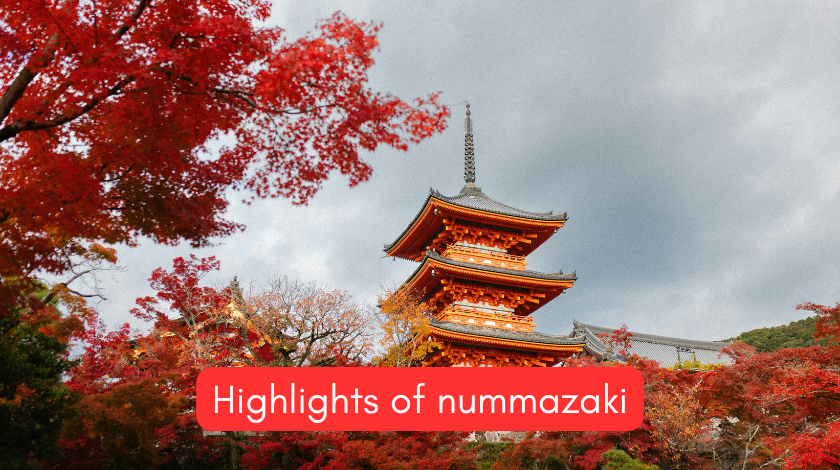
What makes Nummazaki truly special to me is how it transforms with the seasons. Japan is famous for its four distinct seasons, but in Fukushima, these changes feel more intense and poetic. If you visit in the spring, you get to see the snow finally melting off the lower slopes of Mount Bandai while the cherry blossoms begin to bloom in the surrounding valleys. The air is crisp but carries the scent of new growth. It is a season of hope and freshness. However, many people will tell you that autumn is the real showstopper. The trees around the Nummazaki lookout turn into a sea of fire, with bright reds, deep oranges, and golden yellows. When you see these colors contrasted against the deep blue of Lake Inawashiro, it looks like a painting that cannot possibly be real. I remember sitting there for two hours once, just watching the wind move through the colorful leaves, and I did not see another soul the entire time.
Winter at Nummazaki is a completely different experience and one that requires a bit of bravery. Fukushima gets a lot of snow, and the area around the lake becomes a white wonderland. One of the most unique highlights during this time is a phenomenon called Shibuki-gori. This happens when the strong winter winds blow the lake water onto the trees along the shore, where it freezes instantly into intricate ice sculptures. From the Nummazaki vantage point, the whole world looks like it has been carved out of crystal. The silence during winter is profound. The only sound is the occasional crack of ice or the wind whistling through the pine trees. It is a harsh beauty, but it is one of the most honest and powerful versions of nature I have ever witnessed.
For those who love photography, Nummazaki is essentially a playground. You do not need to be a professional with expensive gear to get a great shot here because the scenery does all the heavy lifting for you. However, I have learned a few tricks over my visits. The best time for photography is definitely the golden hour, which is the hour just before sunset. The sun sets in a way that casts a warm, orange glow across the face of Mount Bandai and makes the surface of the lake shimmer like liquid gold. If you have a wide angle lens, you can capture the vastness of the horizon. If you have a zoom lens, you can focus on the small details of the mountain or the tiny boats that sometimes dot the lake. I always suggest bringing a tripod because once the sun goes down, the blue hour light is incredibly soft and beautiful, but it requires a longer shutter speed to capture correctly.
Getting to Nummazaki is part of the adventure itself. While there is some public transportation in the Inawashiro area, I highly recommend renting a car if you can. Driving through the rural roads of Fukushima is a joy. You will pass through small farming villages, rice fields, and thick forests. Having your own wheels gives you the freedom to stop whenever you see something interesting, which will happen often. There are small parking areas near the lookout points where you can leave your car and walk a short distance to the edge of the ridge. It is important to wear comfortable shoes because the ground can be a bit uneven, especially if it has rained recently. I also tell my friends to pack a small picnic. There is nothing quite like eating a fresh rice ball while staring out at one of the best views in all of Japan.
While the view is the main draw, you cannot talk about the highlights of Nummazaki without mentioning the local culture and food that you can find nearby. After a long day of sightseeing and taking photos, your appetite will definitely be ready for something hearty. Fukushima is famous for its ramen, particularly the Kitakata style, which features thick, wavy noodles in a delicious soy sauce based broth. There are several local shops around Lake Inawashiro that serve their own versions of this comfort food. Another local favorite is anything made with miso. The region has a long history of producing high quality fermented foods, and you can really taste the difference in the richness of the flavors. Eating local food is a way to connect with the land and the people who live there, making your trip feel much more complete.
I also want to mention the sense of peace that this place provides. In our modern world, we are always connected to our phones and our jobs. Nummazaki is one of those rare spots where the signal might be weak, but the connection to the earth is strong. I have often used my time there to just think and reflect. There is something about looking at a mountain that has stood for thousands of years and a lake that reflects the sky so perfectly that makes your own problems feel a bit smaller. It is a place for healing and for finding perspective. Whether you are traveling with a partner, your family, or by yourself as a solo traveler, the emotional impact of the landscape is something that stays with you long after you have returned home.
In terms of expertise and trust, it is worth noting that the Inawashiro area is very well-managed by the local authorities. They take great pride in keeping the viewpoints clean and the nature preserved. When you visit, you are participating in a form of sustainable tourism that supports local communities. I always encourage visitors to follow the “leave no trace” principle. Take your trash back with you and stay on the designated paths. This ensures that the highlights of Nummazaki remain just as beautiful for the next person who discovers them. The people of Fukushima are incredibly resilient and welcoming, and they are always happy to see people taking an interest in their beautiful home.
To wrap up the experience, I think it is important to realize that Nummazaki is more than just a pin on a map. It is a sensory experience that combines the visual beauty of the Japanese landscape with the quiet dignity of the Tohoku region. It is the sound of the wind, the taste of the cold air, the warmth of the local ramen, and the sight of a mountain that changes colors with the sun. It is a place that rewards those who are willing to go a little bit off the beaten path. If you find yourself in Japan and you have a few days to spare, I cannot recommend this area enough. It is a hidden masterpiece waiting to be seen, and once you stand at that lookout and see the Heavenly Mirror Lake for yourself, you will understand exactly why it is so special.
Conclusion
Nummazaki represents the very best of Japan’s natural landscape. From the stunning reflections on Lake Inawashiro to the towering presence of Mount Bandai, it offers a visual feast that changes beautifully with every season. Whether you are a dedicated photographer looking for that perfect shot or a traveler seeking a moment of quiet reflection, the highlights of Nummazaki provide an unforgettable experience. It is a destination that proves that sometimes the most beautiful places are the ones that require a little extra effort to find. By visiting this part of Fukushima, you are not just seeing a view; you are experiencing the quiet, powerful heart of Japan.
FAQ
1. What is the best time of year to visit Nummazaki?
The best time depends on what you want to see. For vibrant colors, go in late October or early November for the autumn leaves. For the unique ice formations (Shibuki-gori), visit in January or February. Spring (late April) is great for cherry blossoms.
2. How do I get to the Nummazaki area?
The most convenient way is by car. You can rent a car from Fukushima City or Koriyama Station. If using public transport, you can take a train to Inawashiro Station, but you will likely need a taxi or a local bus to reach the specific lookout points.
3. Is there an entrance fee for the lookout?
Generally, the public lookout points in the Nummazaki and Lake Inawashiro area are free to access. Some specific parks or private facilities nearby might have a small fee, but the main scenic views are open to everyone.
4. Can I visit Nummazaki as a day trip from Tokyo?
Yes, it is possible if you take the Shinkansen (bullet train) to Koriyama and then rent a car or take a local train. However, it will be a very long day. It is much better to stay overnight in the Inawashiro or Aizu-Wakamatsu area to truly enjoy the scenery.
5. What should I wear when visiting?
Since it is an elevated area near a large lake, it can be quite windy. Even in summer, bring a light jacket. In winter, you will need heavy thermal gear, as the temperatures in Fukushima can drop well below freezing.