
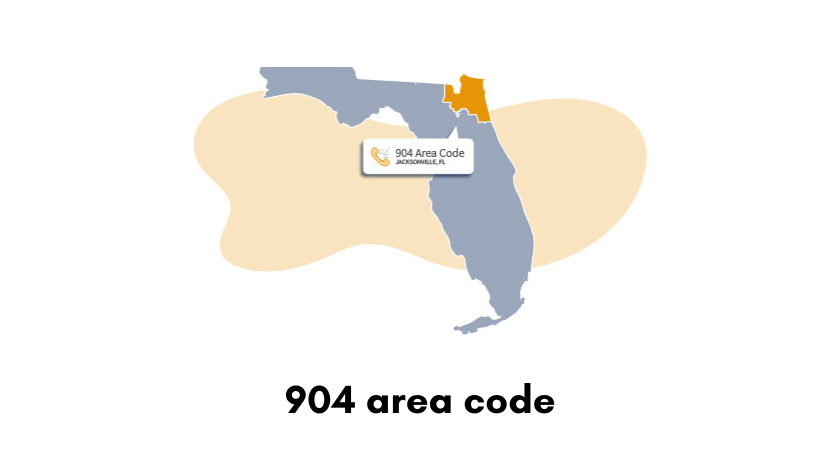
When you think about Florida, your mind might immediately jump to the neon lights of Miami or the theme parks of Orlando. However, there is a massive section of the state that has a completely different vibe, and it is all tied together by three simple digits: 904. This area code is far more than just a routing prefix for phone calls. It is a symbol of identity for the people living in Jacksonville, St. Augustine, and the surrounding coastal communities. If you have ever received a call from a 904 number or are considering moving to the “First Coast,” understanding the history, geography, and culture of this region is essential.
The 904 area code covers the northeastern corner of the Sunshine State. This includes the massive metropolitan area of Jacksonville, which is famously the largest city by land area in the contiguous United States. Because the city is so spread out, the 904 code reaches from the quiet, pine-filled suburbs near the Georgia border all the way down to the historic, cobblestone streets of St. Augustine. It is a region defined by the St. Johns River, the Atlantic Ocean, and a mix of southern hospitality and modern industrial growth. For many locals, the 904 is a point of pride, appearing on t-shirts, in social media bios, and even in the names of local businesses.
The History and Evolution of the 904
To understand where the 904 area code is today, we have to look back at how Florida used to communicate. In the middle of the 20th century, Florida was not the booming metropolis it is now. Back then, the entire state was served by just one area code: 305. As more people moved south for the weather and the growing space industry, the demand for phone numbers exploded. This led to several “splits” over the decades. The 904 area code was officially created in 1965, carved out of the original 305 territory to serve the northern and western parts of the state.
Interestingly, the 904 area code used to be much larger than it is now. At one point, it covered almost the entire Florida Panhandle, including cities like Tallahassee and Pensacola. However, as Florida continued to grow at a record pace, the 904 territory had to be trimmed down. In the late 1990s, the western portions were split off into the 850 area code, and the central-northern parts became the 352 area code. This left the 904 focused primarily on the Atlantic coast and the Jacksonville metro area. This evolution shows just how much the population has surged in Northeast Florida over the last fifty years.
Where exactly is the 904?
If you are looking at a map, the 904 area code is tucked into the top right corner of Florida. Its most famous resident is Jacksonville, often referred to as “Jax” by the locals. Jacksonville is a unique city because it functions as both a major naval port and a financial hub. The 904 code covers every inch of Duval County, which is the core of this region. When you dial 904, you could be reaching someone in the high-rise offices of Downtown Jacksonville or someone catching waves at Jacksonville Beach.
Beyond the city limits of Jax, the 904 extends into several neighboring counties. To the south, it covers St. Johns County, which is home to St. Augustine. St. Augustine is known as the “Ancient City” because it is the oldest continuously inhabited European-established settlement in the United States. It is a place where history feels alive, and the 904 area code serves as the modern link to its historic charm. To the north, the code reaches Nassau County and the beautiful Fernandina Beach on Amelia Island. To the west, it covers the growing suburban communities of Clay County, like Orange Park and Middleburg.
The Arrival of the 324 Overlay
For a long time, the 904 stood alone as the only area code for Northeast Florida. However, we recently hit a milestone that every growing region eventually faces: we ran out of numbers. With everyone having a smartphone, a tablet, and a smart-watch, the pool of available 904 numbers finally started to dry up. To fix this, the Florida Public Service Commission introduced the 324 area code as an “overlay.” This means that the new 324 code covers the exact same geographic area as the 904.
What does this mean for you? If you already have a 904 number, nothing changes. You get to keep your number and your “OG” status in the region. However, new residents or businesses opening new lines might be assigned a 324 number instead. This change also made 10-digit dialing mandatory. Even if you are calling someone just down the street, you now have to dial the area code followed by the seven-digit number. It was a bit of an adjustment for long-time residents who were used to just seven digits, but it is a small price to pay for the continued growth of the region.
The Business Power of a 904 Number
From a business perspective, the 904 area code is incredibly valuable. In the world of marketing, local trust is everything. If you are a contractor, a lawyer, or a local coffee shop owner, having a 904 number tells your customers that you are part of the community. People are much more likely to answer a call from a local area code than from a toll-free 800 number or an area code they do not recognize. It creates an immediate sense of familiarity and reliability.
In my experience working with small business owners in the Florida area, I have noticed that many entrepreneurs will go out of their way to secure a 904 number even if they are using a virtual phone system. They know that the “904” prefix acts as a sort of digital handshake. It says, “I know the St. Johns River, I know the humidity, and I am right here with you.” For a new business trying to break into the Jacksonville market, appearing local is often the first step toward building a loyal customer base.
Culture, Identity, and “904 Day”
It might sound strange to people from other parts of the world, but in Northeast Florida, the area code is a lifestyle. There is even a grassroots holiday celebrated every year on September 4th (9/04), appropriately named “904 Day.” On this day, local businesses offer special deals, and residents are encouraged to shop locally and celebrate the unique culture of the First Coast. It is a day filled with community spirit, highlighting everything from the local music scene to the incredible seafood available at the coast.
Being from the 904 usually means you are a fan of the Jacksonville Jaguars, even during the tough seasons. It means you understand the specific struggle of the “Big Talbot” and “Little Talbot” island tides. It means you have probably spent a Saturday afternoon at the Riverside Arts Market or taken a walk through the Castillo de San Marcos in St. Augustine. The area code serves as a unifying thread for a very diverse group of people, ranging from college students at the University of North Florida to retirees enjoying the golf courses of Ponte Vedra.
Time Zone and Communication Logistics
The 904 area code operates entirely within the Eastern Time Zone. This is important for anyone living outside the region who needs to make business calls or schedule meetings with someone in Jacksonville. During the spring and summer, it follows Eastern Daylight Time, and in the winter, it reverts to Eastern Standard Time. Because Jacksonville is a major hub for logistics and insurance companies, the 904 is constantly buzzing with activity during the standard 9-to-5 business hours of the East Coast.
If you are calling from abroad, the international dialing code for the United States is +1. So, you would dial +1 904 followed by the seven-digit local number. It is also worth noting that because the 904 is so close to the Georgia border, many people live in Georgia but work in Florida, or vice versa. This often leads to a mix of 904 and 912 (Savannah/South Georgia) area codes in people’s contact lists, reflecting the interconnected nature of the regional economy.
Staying Safe: Scams and Spoofing in the 904
While the 904 area code is a symbol of community, it is also a tool used by scammers. Phone scams have become a plague across the United States, and Florida is often a prime target due to its large population of seniors. One of the most common tactics is “neighbor spoofing.” This is when a scammer uses technology to make it look like they are calling from a 904 number, even if they are actually halfway across the world. They do this because they know you are more likely to pick up a local call.
I always tell my friends and family that if they receive an unexpected call from a 904 number claiming to be from the IRS, a utility company, or a “tech support” center, they should be extremely cautious. Real organizations will almost never call you out of the blue to ask for personal financial information or gift card payments. If you are unsure, the best thing to do is hang up and call the company back using their official number found on their website. Protecting your personal data is just as important as staying connected to your local community.
Why the 904 Will Always Be Special
As technology continues to change the way we communicate, some might argue that area codes are becoming obsolete. With the rise of internet-based messaging and the death of the landline, the geographic location of a phone number matters less than it used to. However, I believe that for places like Jacksonville and St. Augustine, the 904 will always hold a special place. It represents a specific time and place in Florida’s history, and it anchors people to their physical roots in an increasingly digital world.
Whether you are a lifelong resident of Duval County or a newcomer just getting settled in St. Johns, the 904 area code is your gateway to everything the First Coast has to offer. It is more than just a piece of telecommunications infrastructure. It is a badge of honor for those who love the heat, the history, and the hardworking spirit of Northeast Florida. As the 324 overlay becomes more common, the original 904 will likely become even more of a “vintage” symbol of the region, reminding us of the days when life moved just a little bit slower.
Conclusion
In summary, the 904 area code is the definitive voice of Northeast Florida. From its birth in 1965 to its current status as a bustling hub of business and culture, it has witnessed the incredible transformation of the Jacksonville metropolitan area. While the introduction of the 324 overlay marks a new chapter in the region’s growth, the 904 remains the primary identity for millions of Floridians. It connects the historic allure of St. Augustine with the modern, urban energy of Jacksonville, creating a unique coastal identity that is unlike anywhere else in the state. By understanding the nuances of this area code, from dialing rules to scam prevention, you can better navigate the vibrant community that calls the 904 home.
Frequently Asked Questions (FAQ)
1. What cities are in the 904 area code?
The 904 area code primarily serves Jacksonville, St. Augustine, Jacksonville Beach, Fernandina Beach, Orange Park, Ponte Vedra Beach, and Green Cove Springs. It covers the counties of Duval, St. Johns, Nassau, and Clay.
2. Is there a new area code coming to Jacksonville?
Yes, the 324 area code was recently introduced as an overlay. This means new phone lines in the Jacksonville region may be assigned 324, but existing 904 numbers will remain the same.
3. Do I need to dial 10 digits for 904 calls?
Yes, because of the 324 overlay, 10-digit dialing is now mandatory for all local calls within the 904 region. You must dial the area code plus the seven-digit phone number.
4. What time zone is the 904 area code in?
The 904 area code is in the Eastern Time Zone (ET). It follows Eastern Standard Time in the winter and Eastern Daylight Time in the summer.
5. Why did I get a scam call from a 904 number?
Scammers often use “caller ID spoofing” to make their calls look like they are coming from a local 904 number to trick you into answering. Always be cautious with unsolicited calls asking for personal information.